Problem Statement
In high-risk adventure activities like skiing, mountain climbing, and hiking, accidents can occur in remote and rugged terrains. Human emergency responders often face delays in reaching victims due to challenging environments and lack of real-time data about the incident.
This delay can mean the difference between life and death. Currently, there’s no efficient, affordable, and responsive system to deliver immediate aid and gather critical information at the site of such emergencies.
Idea
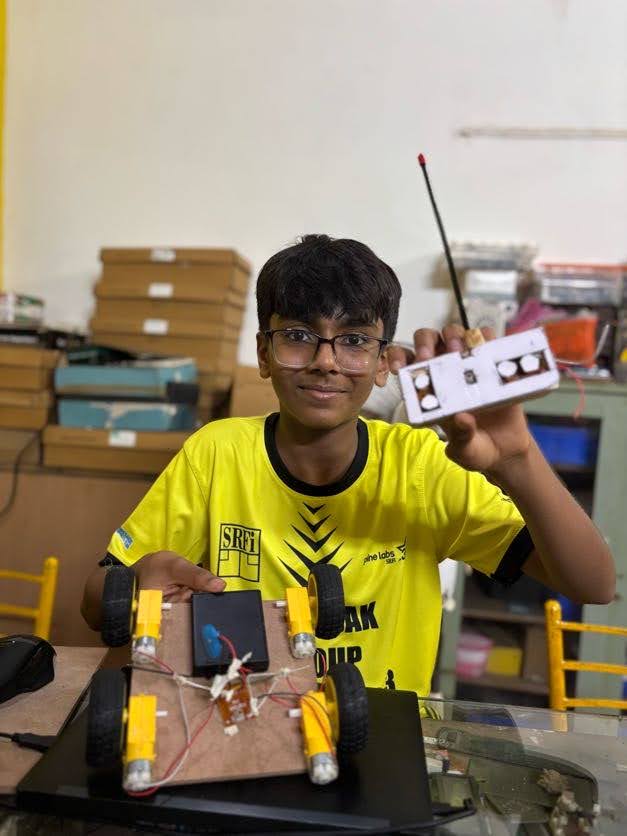
To build a manually controlled, all-terrain emergency response rover that can reach injured individuals in hard-to-access areas. The rover will carry medical supplies, provide real-time data transmission to responders, and offer a psychological lifeline to the victim by signaling that help is on the way.
Objectives
-
-
To deliver first-response medical supplies in remote locations where human access is delayed or restricted.
-
To transmit real-time data (e.g., terrain conditions, possible injuries, environmental parameters) back to human teams for better preparedness.
-
To ensure the system is manually controllable for flexibility in unpredictable terrain.
-
To enhance survivor morale by providing clear visual/auditory confirmation that emergency services have been notified.
-
To build a rugged, low-cost, open-source prototype that can be adapted for use by rescue agencies, NGOs, or adventurers.
-
Final Solution
Res-Q is a robust, manually operated emergency rover designed for rapid deployment in extreme environments. Key features include:
-
Rugged chassis and high-traction wheels for navigating snow, gravel, and rocky terrain.
-
Payload compartment designed to carry essential first-aid and medical supplies.
-
Onboard sensors and camera feed to relay real-time visuals and telemetry to base operators.
-
Two-way signaling system to inform the victim that help has been dispatched.
-
Designed to be modular, repairable, and field-adaptable, making it practical for diverse rescue missions.
The rover bridges the critical gap between accident and human rescue, buying time, delivering care, and transmitting data that can save lives.
Image Gallery